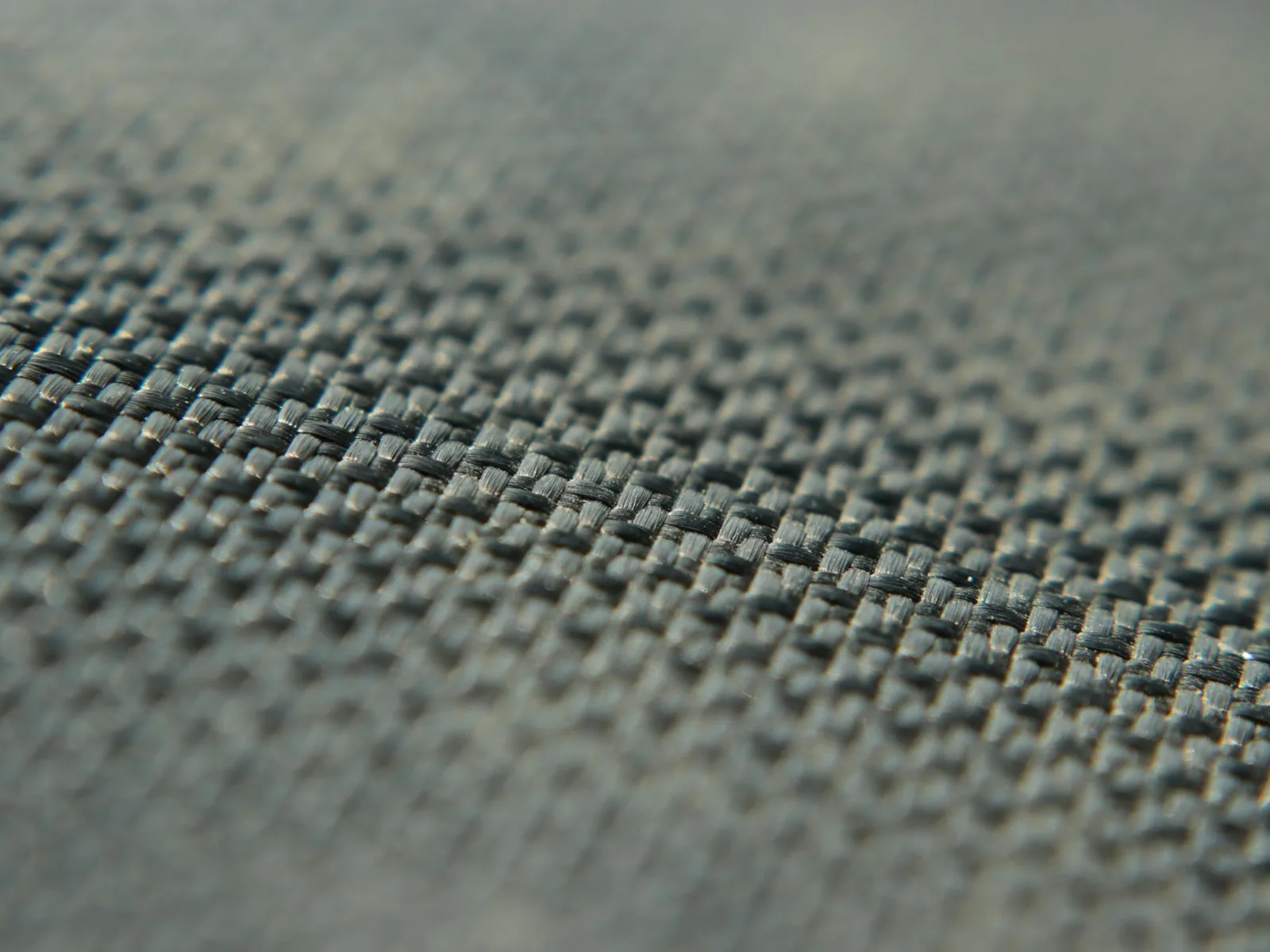
In composite manufacturing, the layup defines the laminate, but the cure decides its properties. Degree of cure, glass transition temperature (Tg), porosity and dimensional accuracy are all shaped by how each part is heated, held and cooled.
Our composite ovens are built around the resin system and your tooling, not the other way round. They combine programmable cure profiles, part-level temperature control, integrated vacuum on OOA models and a complete record of every cycle.
Why the cure cycle matters
Resin cure follows laminate temperature, which can lag behind the oven air in thick sections and on heavy tools, while the heat released by the curing resin (exotherm) can push thick laminates above the set-point. Heating too fast risks exotherm overshoot; a cycle cut short leaves parts undercured, with reduced heat resistance and mechanical properties. Uneven heating leaves parts in the same batch at different degrees of cure, and an uncontrolled cool-down can add residual stress and distortion.
Typical processes
- Prepreg curing, from thin-walled parts to thick laminates
- Vacuum-bag out-of-autoclave (OOA) curing of oven-cure prepregs
- Elevated-temperature cure and post-cure of infused and wet-layup parts
- Free-standing post-cure to complete cross-linking and raise heat resistance
- Adhesive bonding cures for composite assemblies
- Mould and master tool curing, post-cure and release-agent conditioning
- Tool preheating before layup or infusion
Specifying a composite oven
Your resin datasheet and part specification set the targets; the oven has to meet them with your largest and heaviest load. Key points:
- Part thermocouples on the fastest- and slowest-heating areas, with lead-lag control so that ramps and soaks follow the laminate
- Ramp rates, dwell times and cooling rates within the limits of the resin datasheet
- Temperature uniformity across the working volume, verified by a temperature uniformity survey (TUS) where required
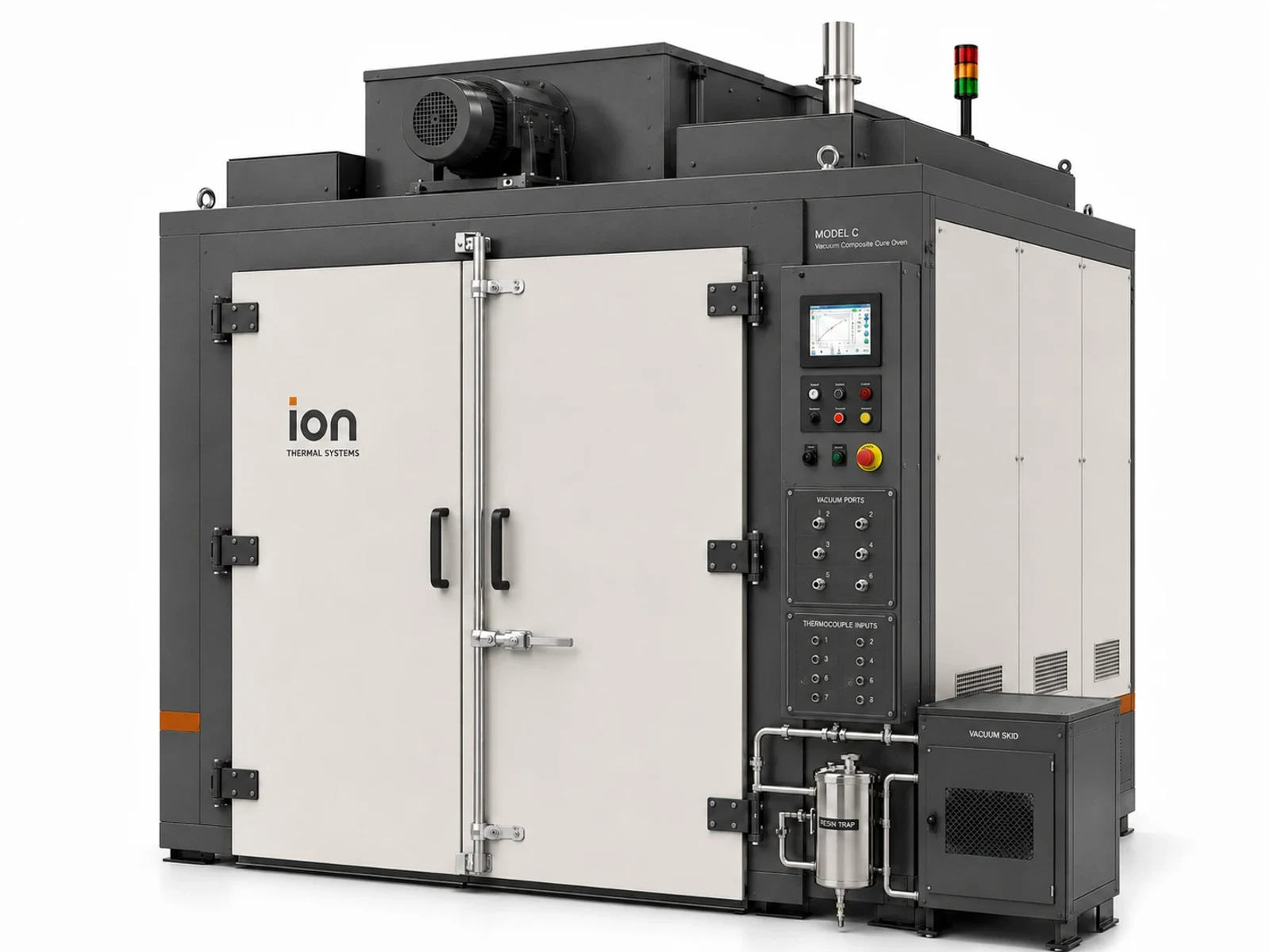
- For OOA curing: vacuum ports for every bagged tool, per-port vacuum monitoring and leak alarms
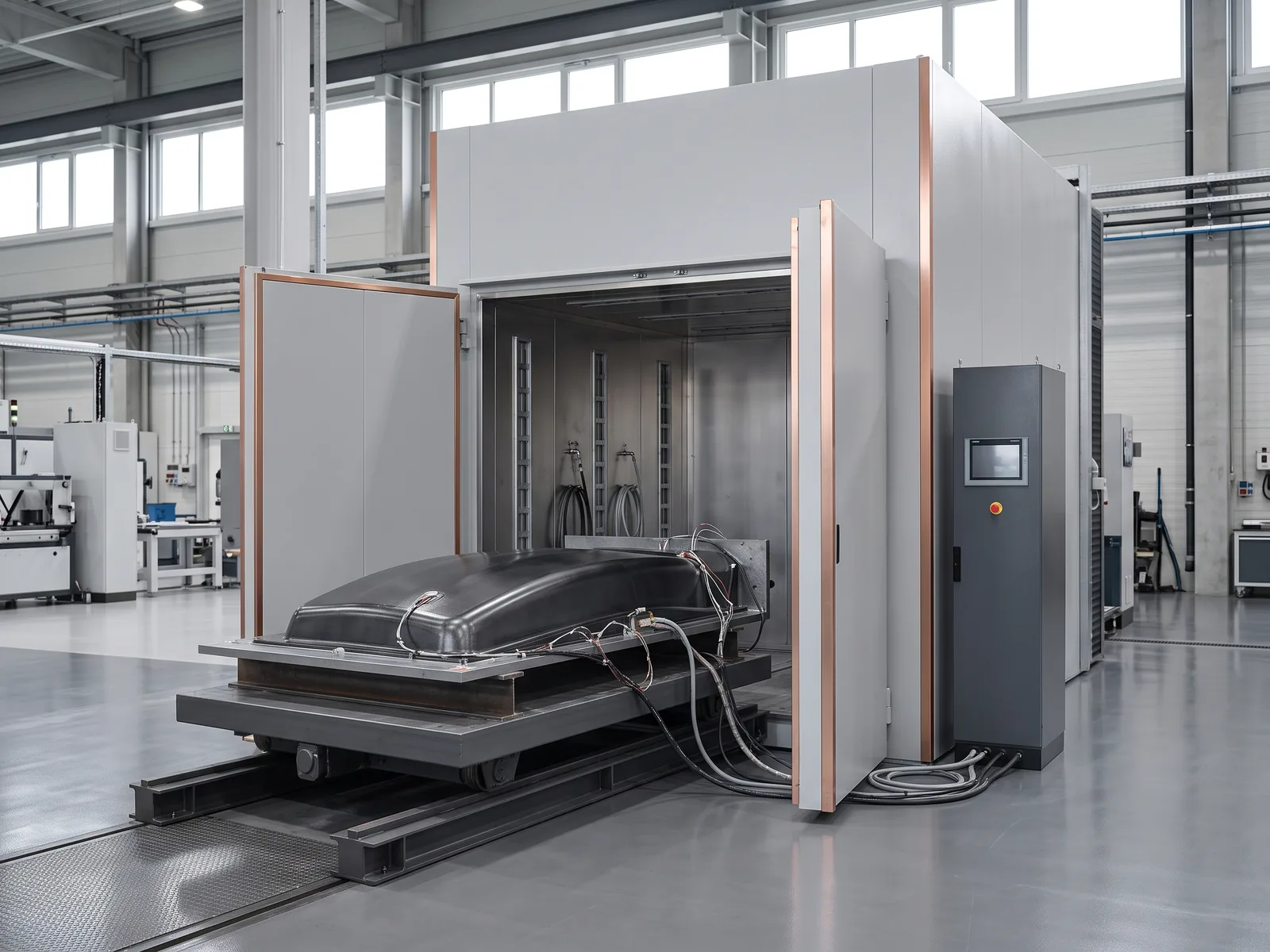
- Heating capacity, airflow, chamber size and handling to suit your largest and heaviest tools
- Loading matched to your production rate; insulation and seals that limit heat loss
- Exhaust for volatiles such as styrene, independent over-temperature protection and door interlocks
- Recipes per part number and batch reports that link each cycle to the parts it cured
Industry requirements and standards
Requirements come mainly from the customer and the material specification. In aerospace, many customers require Nadcap accreditation for composite manufacturing, and some apply pyrometry requirements based on AMS 2750 (instrument calibration, system accuracy tests and temperature uniformity surveys) to cure ovens. Automotive suppliers typically work within IATF 16949 quality management systems. Wind, marine and industrial customers often ask for documented cure cycles linked to material qualification, and marine work may also fall under classification society rules.
Most of these requirements govern how you run and document production, not just the equipment. We review the ones that apply to you in the process review and design the instrumentation, survey thermocouple ports and cycle records to support them.
ION ovens for composite production
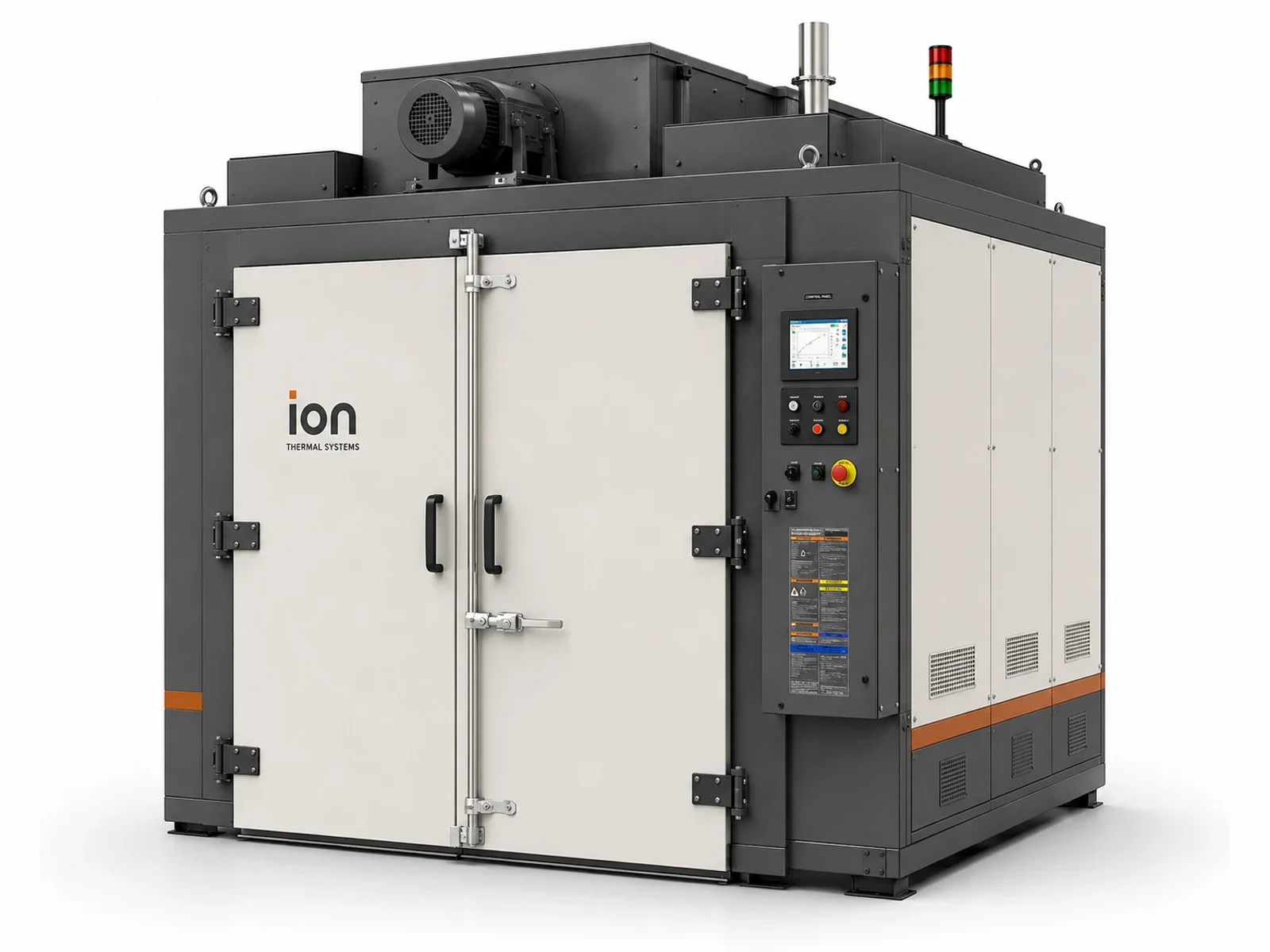
Model B is our standard batch oven for prepreg, wet-layup and infusion parts; Model C adds integrated vacuum for OOA curing. Composite Mould Heating Ovens handle tool curing, conditioning and preheating, and Post-Cure Ovens run long, stable post-cure cycles. For long spars, blades and hulls, or for automated lines, Custom Composite Ovens, Large-Format Ovens and Integrated Thermal Process Cells are engineered around the part and the process. The core composite products are shown below.
How we support your project
Every project starts with a Process Review of your parts, tools, resin systems, cure profiles and required standards. We engineer the system in-house, then install and commission it, run acceptance tests and train your operators. Calibration & Temperature Uniformity Testing, Preventive Maintenance, Spare Parts and Remote Support help keep it running reliably and within specification, and existing cure ovens can be upgraded with new controls and data logging through Retrofit & Modernisation.