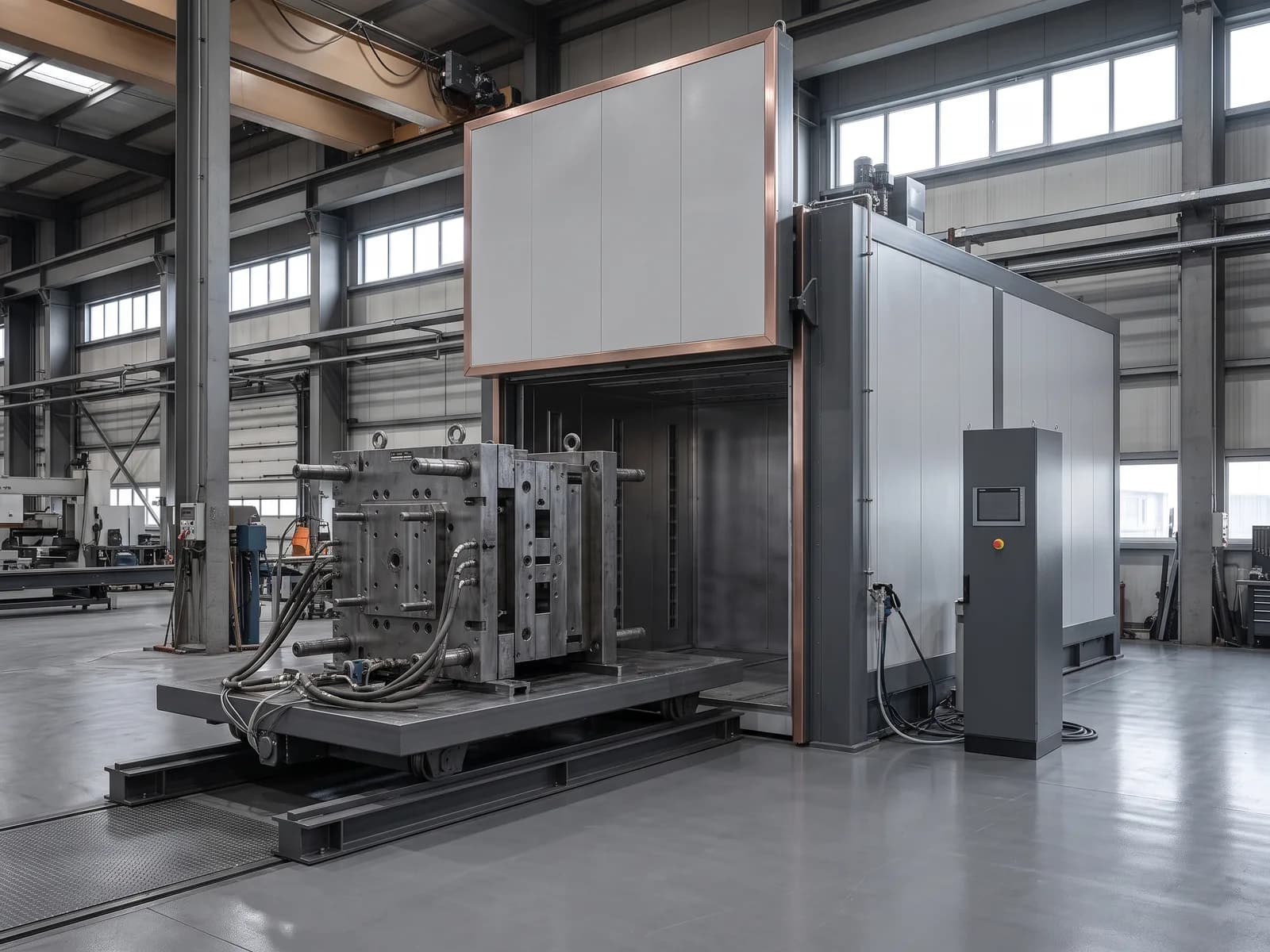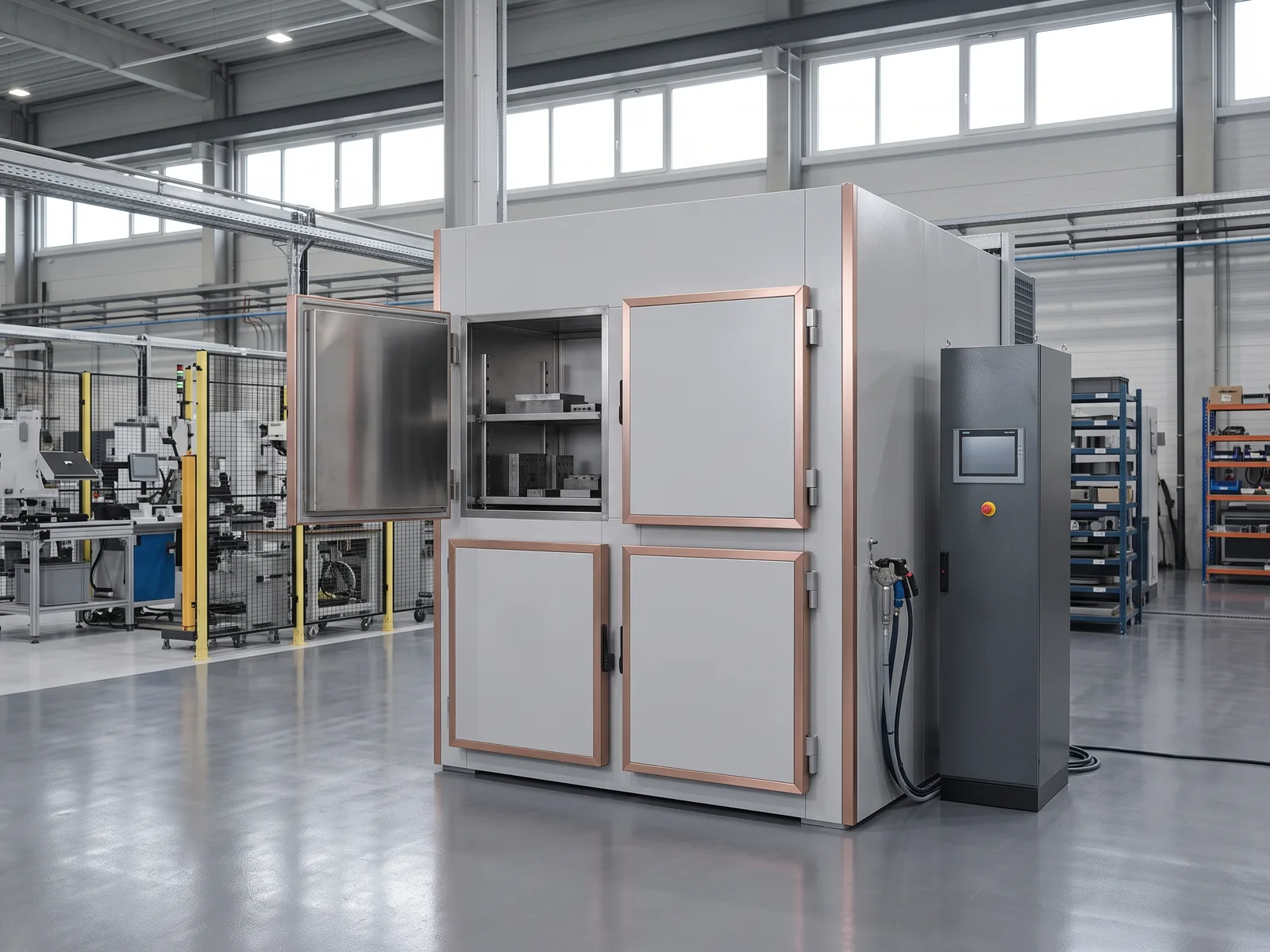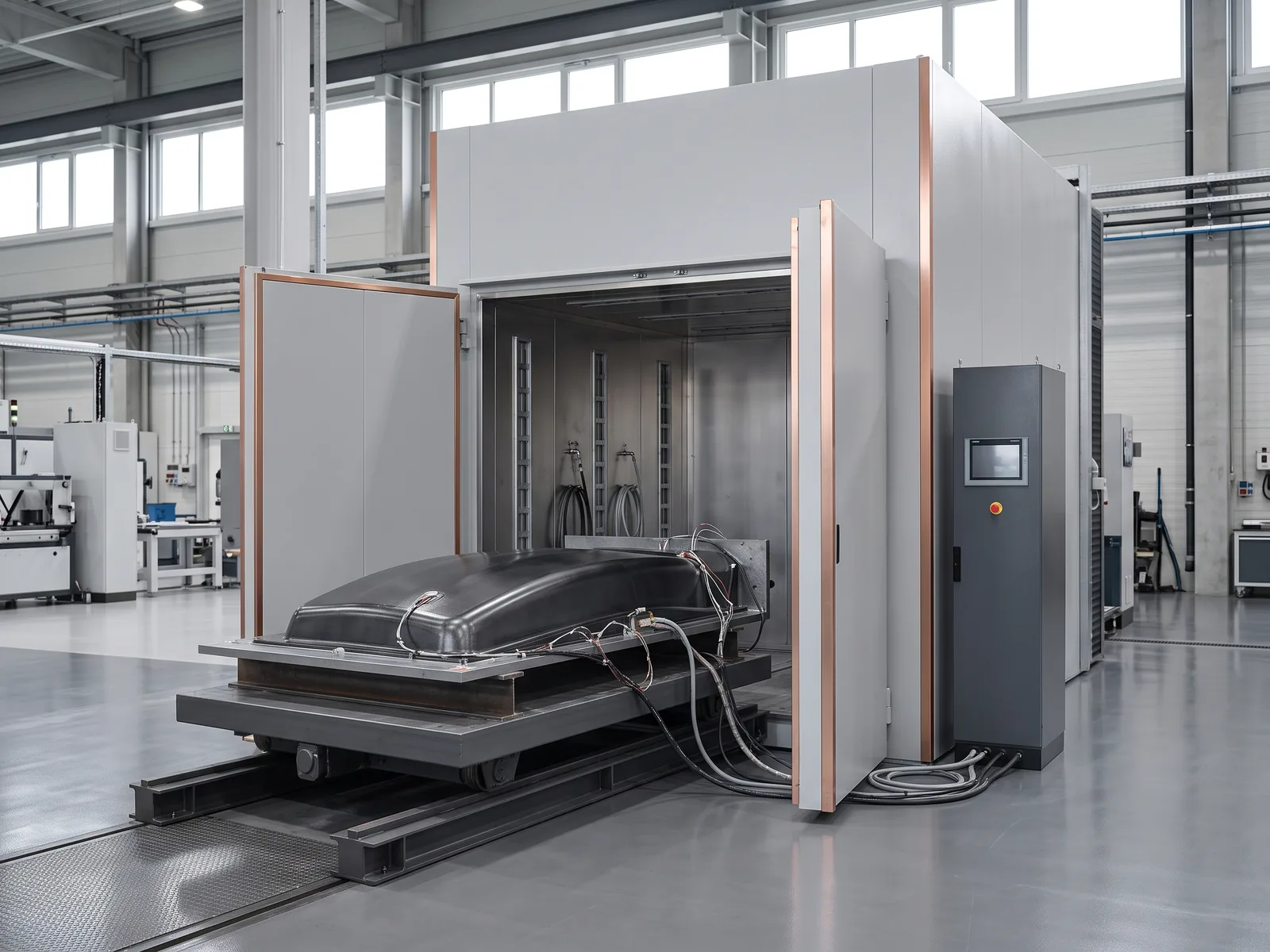
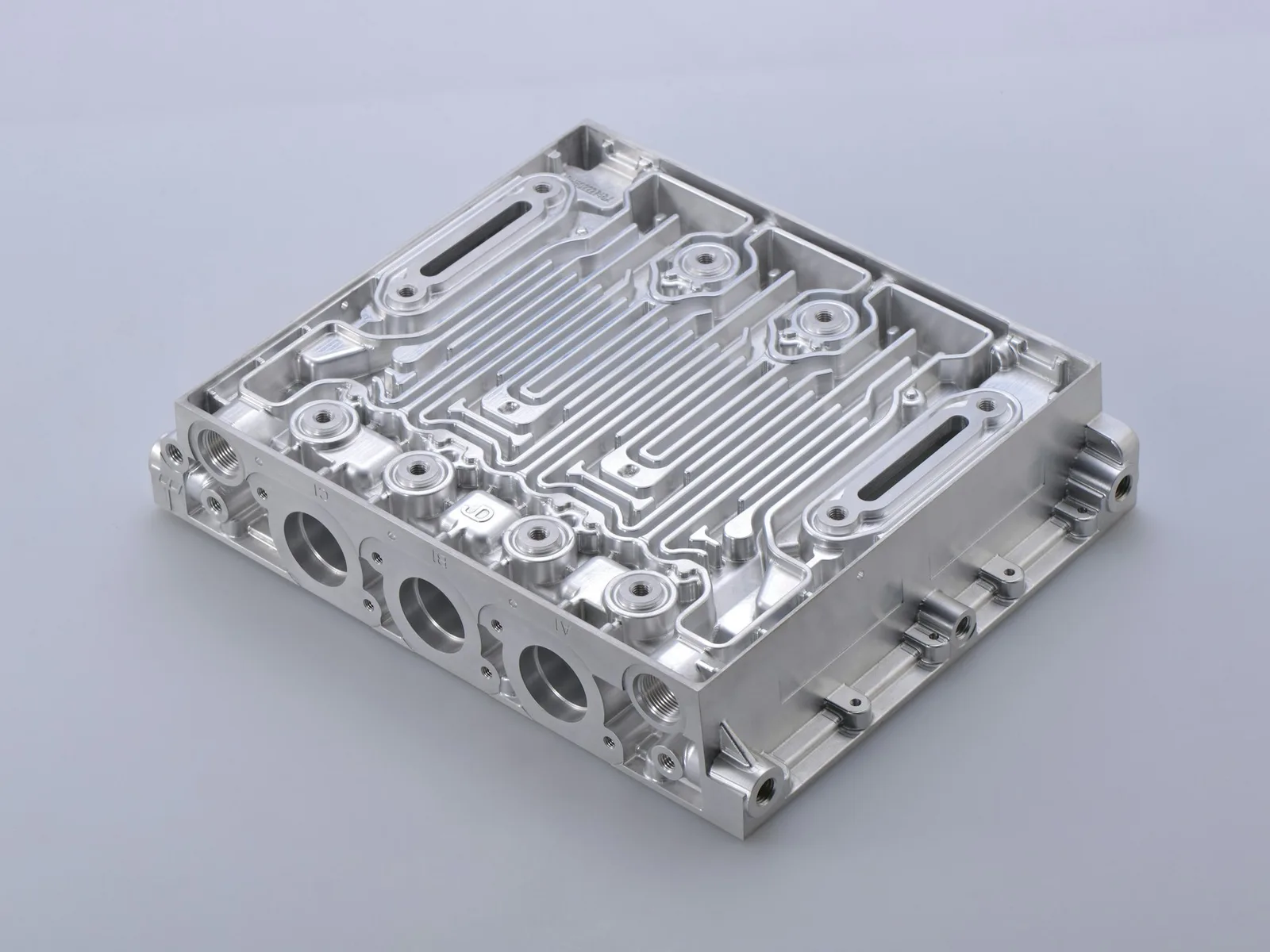
Moulds and dies are often among a plant's most valuable assets, and how they are heated affects their service life and the quality of the parts they make. Heating tools in an oven rather than on the press or casting machine frees up machine time and reduces the risk of the uneven heating that can crack or distort a tool.
We build ovens for everything from small inserts to heavy dies and large composite moulds, with controlled heating rates, accurate holding temperatures and a record of every cycle.
Why tool temperature matters
A die-casting or forging die that starts production cold is exposed to severe thermal shock, and because hot-work tool steels are less tough when cold, the risk of cracking rises. Until the tool reaches working temperature, the first parts are often scrapped. Preheating it to a uniform temperature lets production start sooner and protects the tool.
Composite moulds need the same care: their surface finish and dimensions are reproduced in every part, and each heating and cooling cycle can affect both.
Typical processes
- Preheating die-casting and forging dies, injection moulds and press tools before mounting
- Holding tools at temperature for planned changeovers
- Line-side preheating of inserts, fixtures and small tools
- Composite tool curing and post-cure, including master tools
- Release-agent conditioning and preheating of composite moulds before layup
- Tool tempering after hardening
- Preheating before repair welding, followed by stress relief or tempering
What matters when specifying a tool heating oven
A heavy tool heats from the outside in: its surface can reach the set-point long before its centre. Specify the oven around the tool:
- Heating rates suited to the tool's mass and material, keeping thick and thin sections close in temperature
- Several tool thermocouples, including in thick sections, so the soak starts only when the slowest-heating point is at temperature
- Horizontal, vertical or combination airflow chosen for the tool shape and loading pattern
- Reinforced floors, load cars or top loading by crane, sized for the heaviest tool
- Hold-at-temperature and scheduled preheating for changeovers, with fast recovery after door openings in line-side ovens
- For composite moulds: controlled cool-down, extraction of volatiles from resins and release agents, and vacuum for bagged tool cures
- Recipes per tool type and a cycle record for each tool
- Independent over-temperature protection, door interlocks, well-sealed doors and efficient insulation for long holds
Industry requirements and standards
Requirements usually come from the industry the tool produces parts for. Automotive die casters, forgers and injection moulders often work within IATF 16949 quality management systems, which expect documented, repeatable process parameters and cover the management of production tooling. In die casting, the North American Die Casting Association (NADCA) acceptance criteria for die steels and their heat treatment are widely used alongside the steel supplier's datasheet.
Composite tooling for aerospace programmes may fall under customer specifications that call for documented cure cycles, calibrated instruments and temperature uniformity surveys, sometimes based on AMS 2750.
Tell us which specifications apply: we review them with you in the process review and design the instrumentation and records to support them.
Suitable ION systems
Mould & Tool Heating Ovens are built for heavy injection, die-casting and press tools; Tool Preheating Ovens keep inserts, fixtures and small tools at temperature beside the line; Composite Mould Heating Ovens cure, post-cure and condition composite tooling. The Model C vacuum oven suits vacuum-bagged tool cures, Large-Format Ovens take very large moulds, and Tempering Furnaces and Metal Preheating Furnaces handle tempering and preheating before repair welding.
How we support your project
Every project starts with a process review covering your tools, their weights and materials, your changeover schedule and the applicable specifications. We engineer the chamber, airflow, heating and handling around your heaviest tools, then install and commission the system and train your operators. Calibration & Temperature Uniformity Testing, Preventive Maintenance, Spare Parts and Remote Support help keep it within specification, and Retrofit & Modernisation can upgrade existing tool ovens, including ovens from other manufacturers.