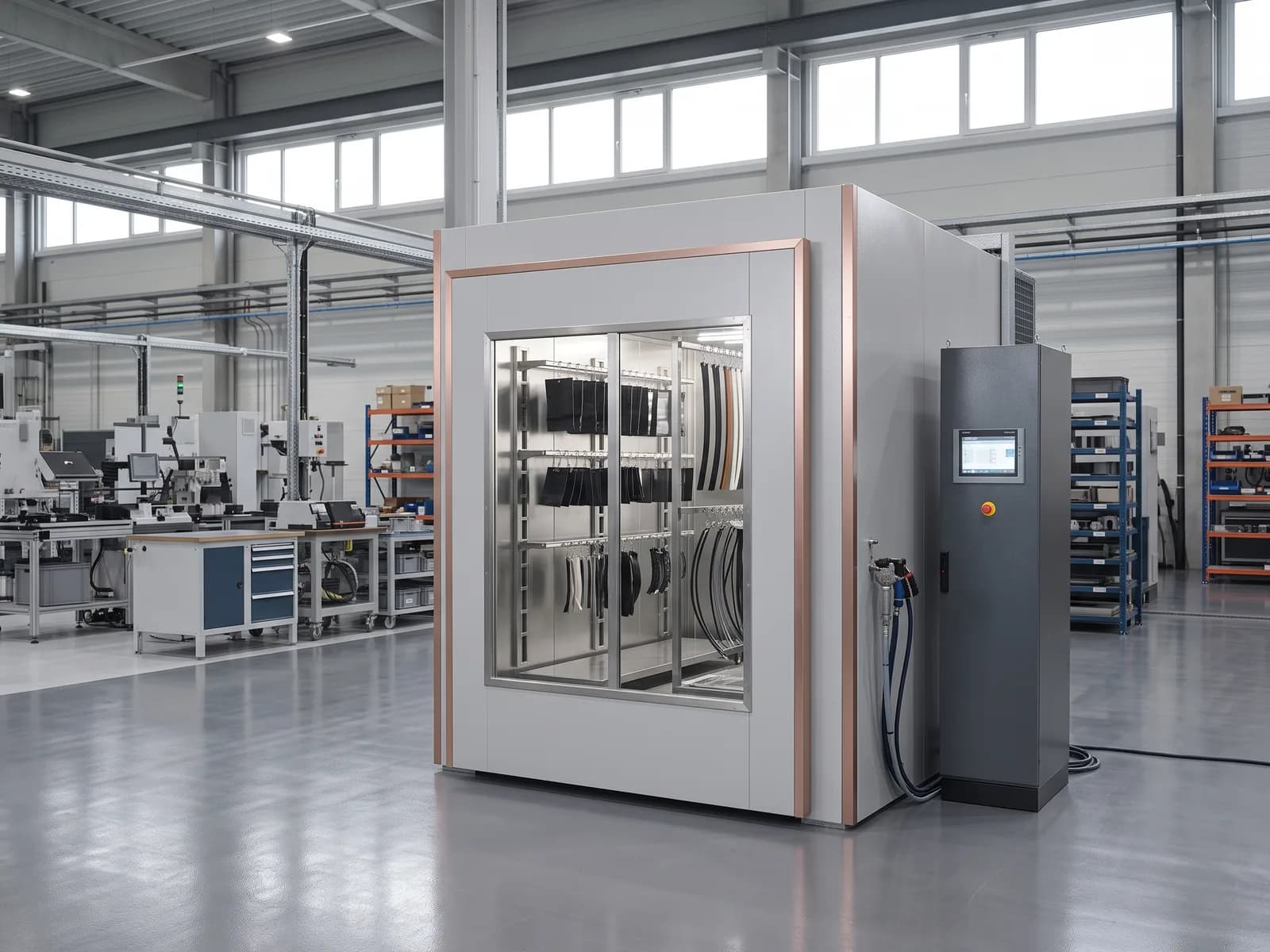
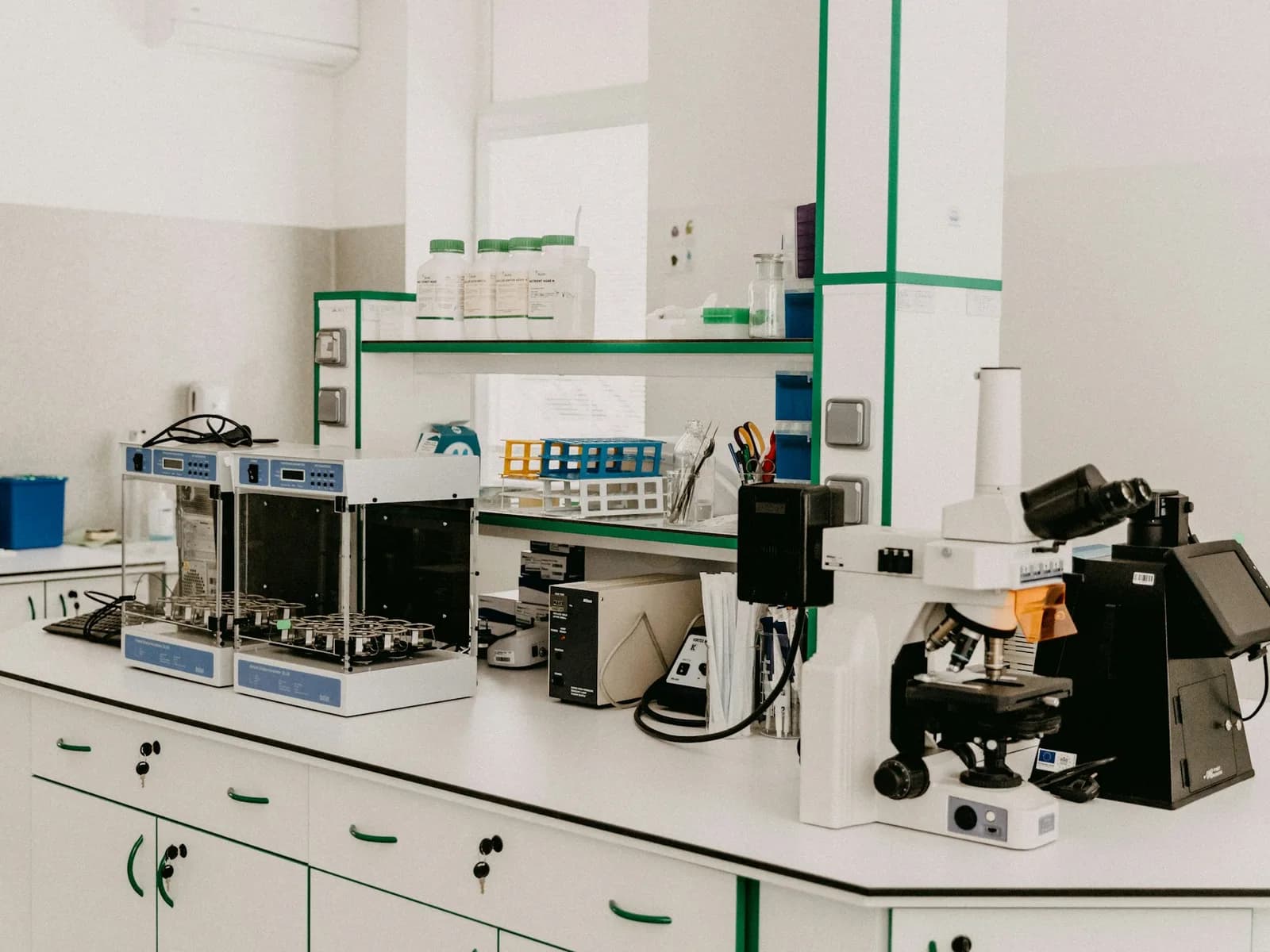
In a research or test laboratory, the oven is part of the result. Test data is only as reliable as the conditions behind it: a stable set-point, even temperature at every sample position and a complete record of each run.
We supply thermal ageing ovens, test ovens and special-purpose systems for material laboratories, validation departments, R&D centres and pilot lines, with the same controlled airflow, precise temperature control and continuous data logging as our production ovens.
What laboratories heat, and why conditions matter
Laboratory loads are usually small but valuable: polymer and elastomer specimens, cable samples, coated panels, test coupons, components and trial batches of new materials. Many ageing and cure reactions speed up markedly as temperature rises, so a few degrees of deviation, or one sample position running hotter than the rest, can change the result.
In process development, the aim is a cycle that can be transferred to production, so pilot equipment should control temperature, airflow and heating rates in a way a production oven can reproduce.
Typical processes
- Accelerated thermal ageing of polymers, elastomers and coatings
- Thermal endurance testing of cables, harnesses and insulating materials
- Component life testing at elevated temperature
- Heat-soak and functional testing at temperature, including powered tests
- Validation and qualification to customer or industry specifications
- Curing of adhesive, coating and composite test specimens
- Process development: cure, post-cure, drying and heat-treatment trials
- Pilot production and scale-up before series production
What to consider when specifying a laboratory oven
- Stability and uniformity at every sample position for the full test duration, not only at the control sensor
- Controlled fresh-air exchange where the test method specifies it, and airflow gentle enough for light specimens
- Sample racks or positions to suit the test plan, and separate chambers where dissimilar materials should not be aged together
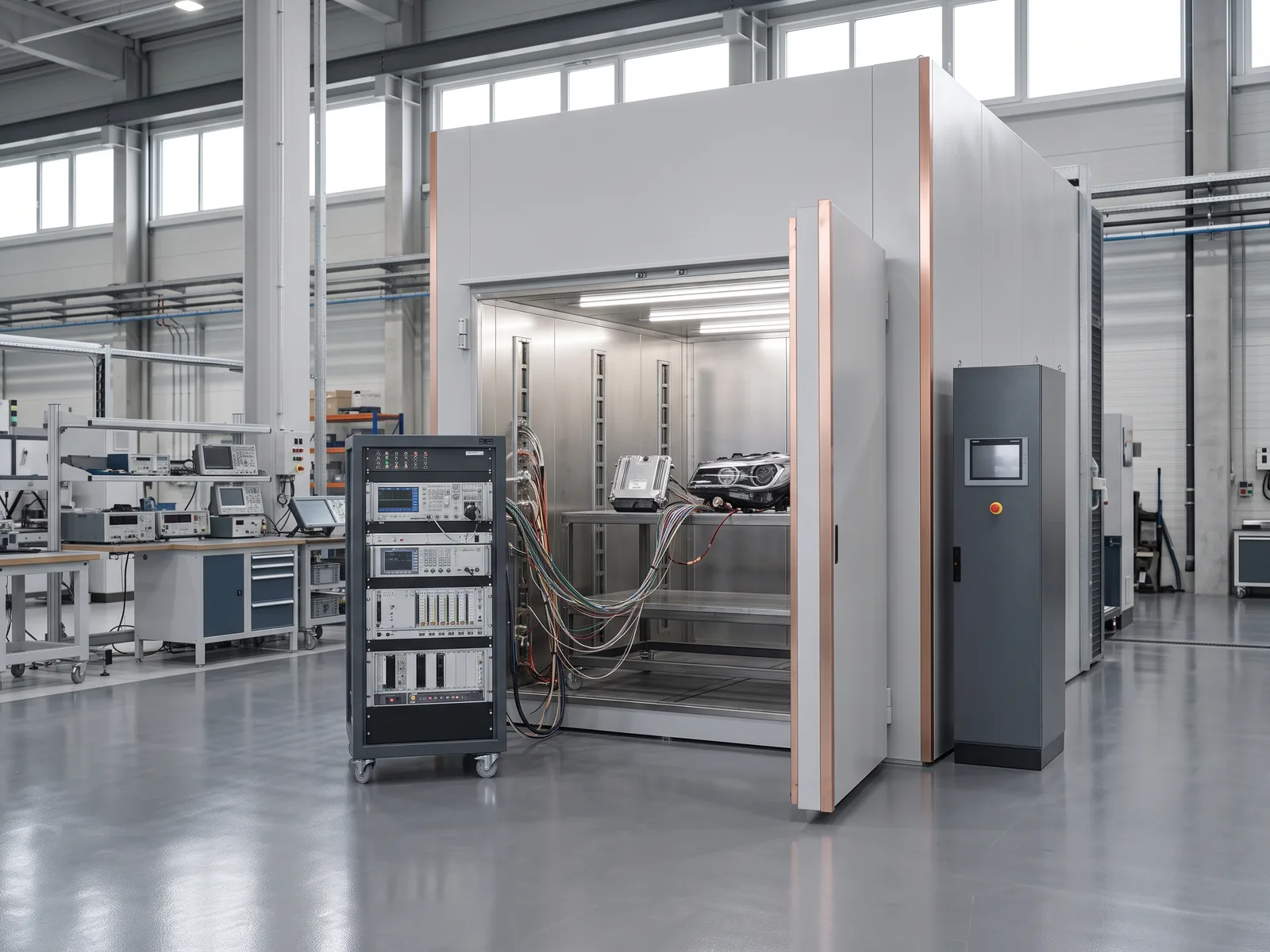
- Ports for survey thermocouples, plus cable and instrumentation feed-throughs for monitored or powered tests
- Continuous logging of temperatures, alarms and interruptions, with export for test reports
- Multi-segment recipes and part thermocouple inputs, so development cycles can be repeated and transferred
- Safe unattended running: independent over-temperature protection, interlocks for powered testing and exhaust for volatiles
Standards and test requirements
The test method usually sets the conditions: temperature, duration, tolerance and sometimes the air-exchange rate or oven type. Commonly referenced examples include ISO 188 and ASTM D573 for rubber ageing, the IEC 60216 series for the thermal endurance of electrical insulating materials and ASTM E145 for the test ovens themselves. OEMs often add their own component test specifications.
ISO/IEC 17025 requires accredited laboratories to calibrate measuring equipment whose accuracy or measurement uncertainty affects the validity of results, with metrological traceability. Laboratories therefore commonly ask for calibrated instruments, a documented temperature uniformity survey (TUS) across the sample positions and exportable data. Where test specimens are heat-treated for aerospace work, AMS 2750 pyrometry requirements may also apply.
Meeting these requirements remains the laboratory's responsibility, and accreditation covers the laboratory, not an individual oven. In the process review we confirm the methods and standards you work to and design the oven, its instrumentation and records to support them.
ION products for laboratories
Thermal Ageing Ovens are built for long, stable test runs, with continuous data logging and controlled air-exchange options. Automotive Test Ovens offer cable and instrumentation feed-throughs, programmable profiles and safety interlocks for powered testing at temperature.
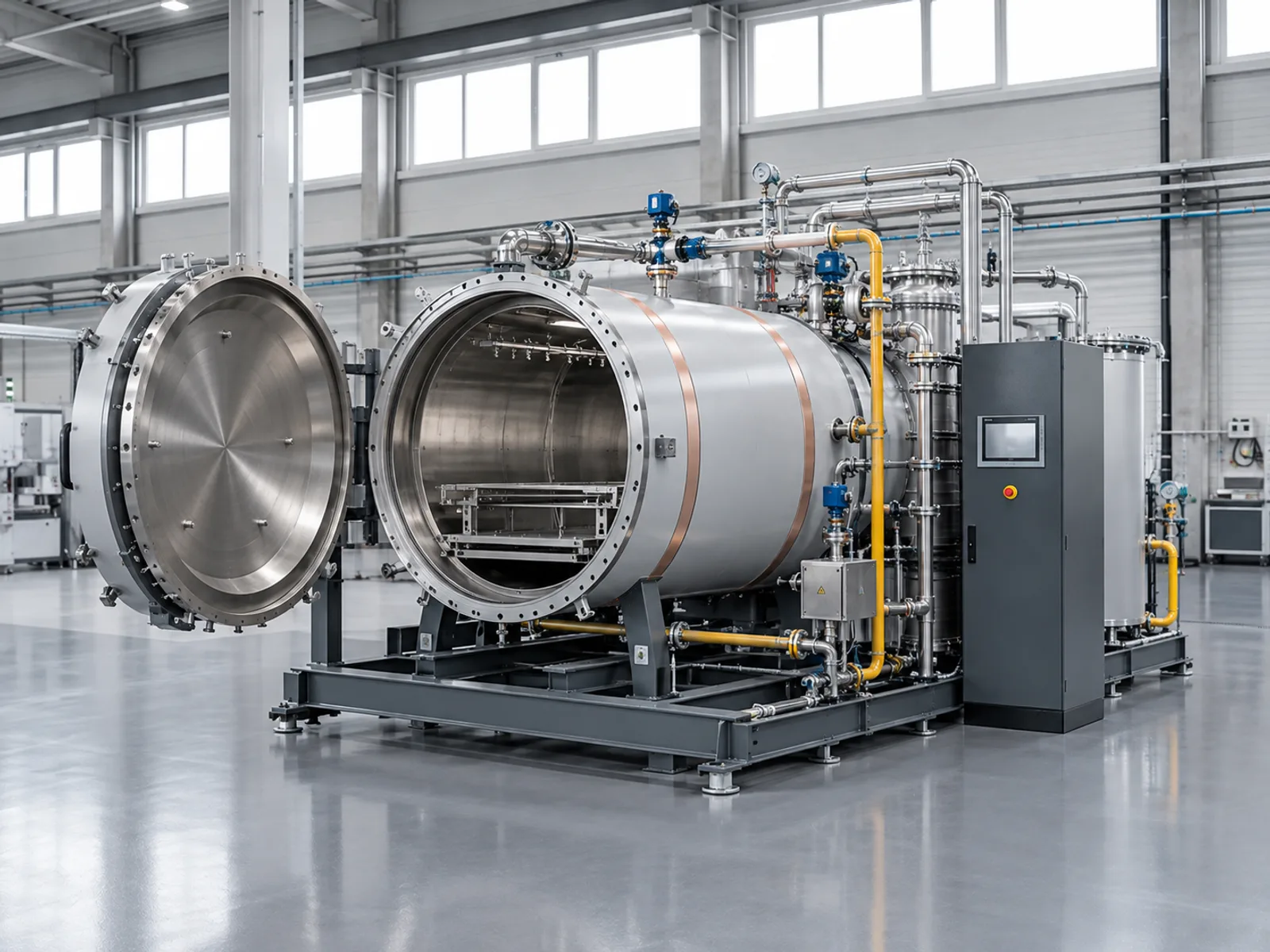
For pilot lines, special atmospheres or combined heating methods, Special-Purpose Thermal Systems are engineered from concept to commissioning. A pilot oven can also be built as a Custom Batch Oven that mirrors the heating, airflow and control concept planned for production.
How we support your laboratory
- Process Review: samples, test methods, standards, test durations and record requirements
- Engineering & System Design: chamber, airflow, racks, ports and controls designed around your test plan
- Installation & Commissioning: on-site start-up, acceptance tests and staff training
- Calibration & Temperature Uniformity Testing: at commissioning and at regular intervals, with documented results
- Preventive Maintenance, Spare Parts and Remote Support: to help avoid unplanned stops during long tests
- Retrofit & Modernisation: new controls and data logging for existing laboratory ovens, including those from other manufacturers