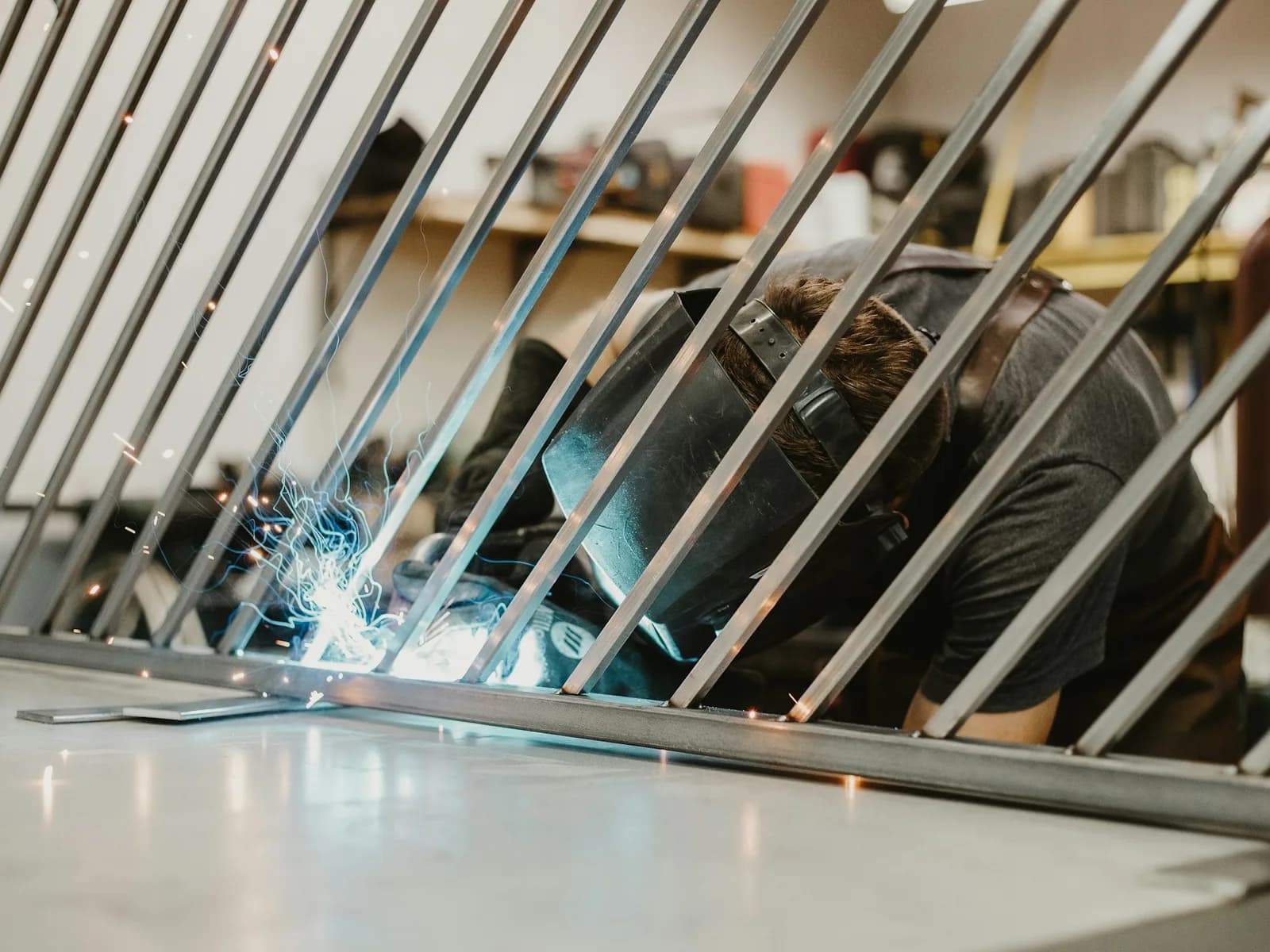
Metal fabricators cut, form, weld and finish steel, stainless steel and aluminium into frames, structures, tanks, enclosures and machine parts. Heat is needed at several stages: preheating before welding or forming, stress relief or annealing afterwards, and curing protective coatings.
Part mixes change from job to job, so the equipment must be flexible, follow each job's specification and record what was done. We supply stress-relief and annealing furnaces, preheating furnaces and coating ovens for job-shop and series production.
Why the thermal step matters
Welding and cold forming leave residual stresses that can cause distortion during machining, dimensional change in service and, in some materials and environments, a higher risk of cracking. Stress relief reduces them; annealing restores ductility so that cold-worked material can be formed further.
Preheating slows the cooling of the weld zone and helps reduce the risk of hydrogen cracking in thick sections and higher-strength steels. A coating reaches its specified adhesion, hardness and corrosion protection only when the part itself reaches and holds the cure temperature for the required time.
Typical processes
- Stress relief of welded fabrications, including post-weld heat treatment (PWHT) where a code or specification calls for it
- Annealing of formed, drawn and cold-worked parts
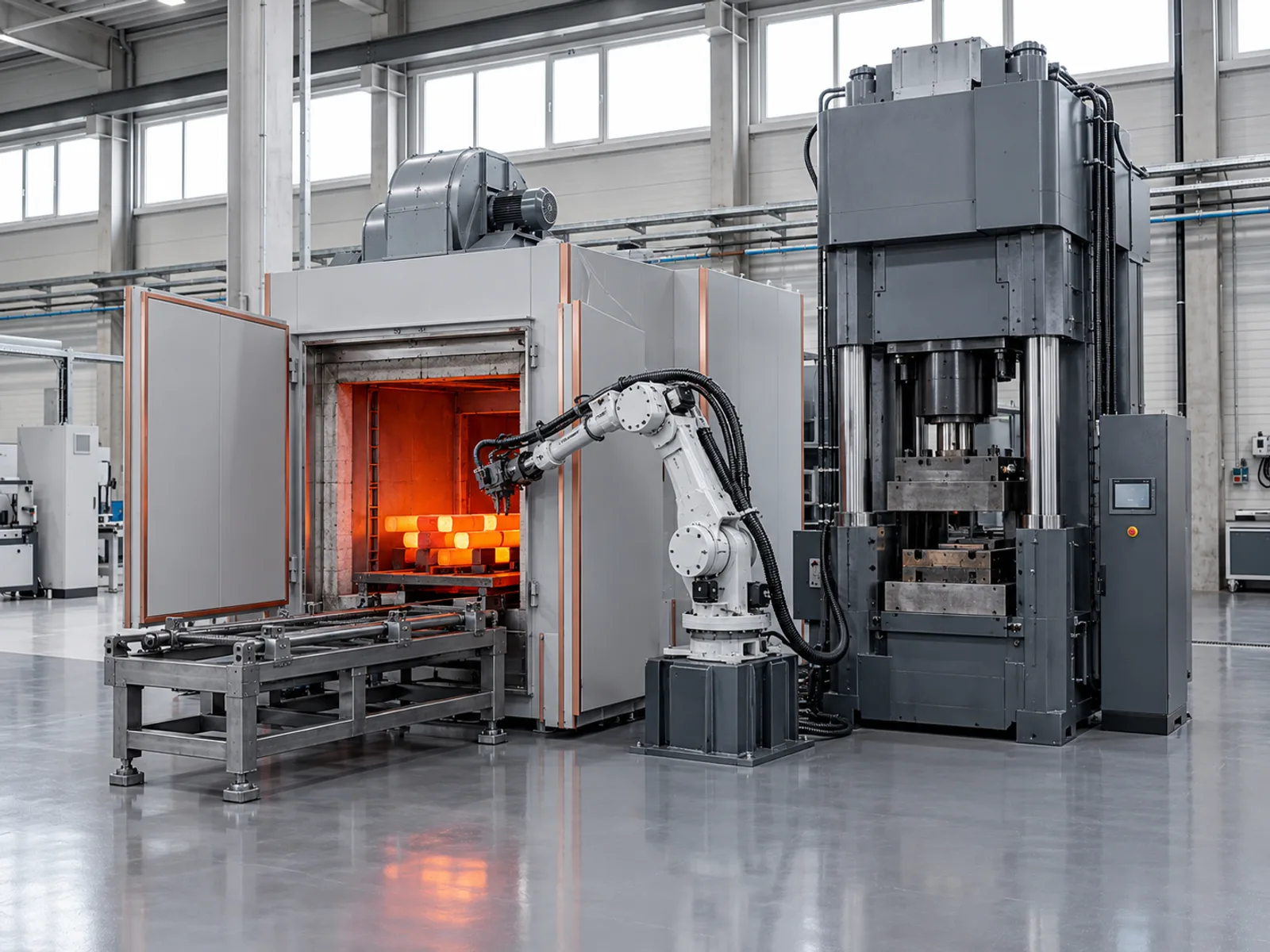
- Preheating before welding, forging or hot forming
- Tempering of hardened steel parts
- Drying after washing or pretreatment, before coating
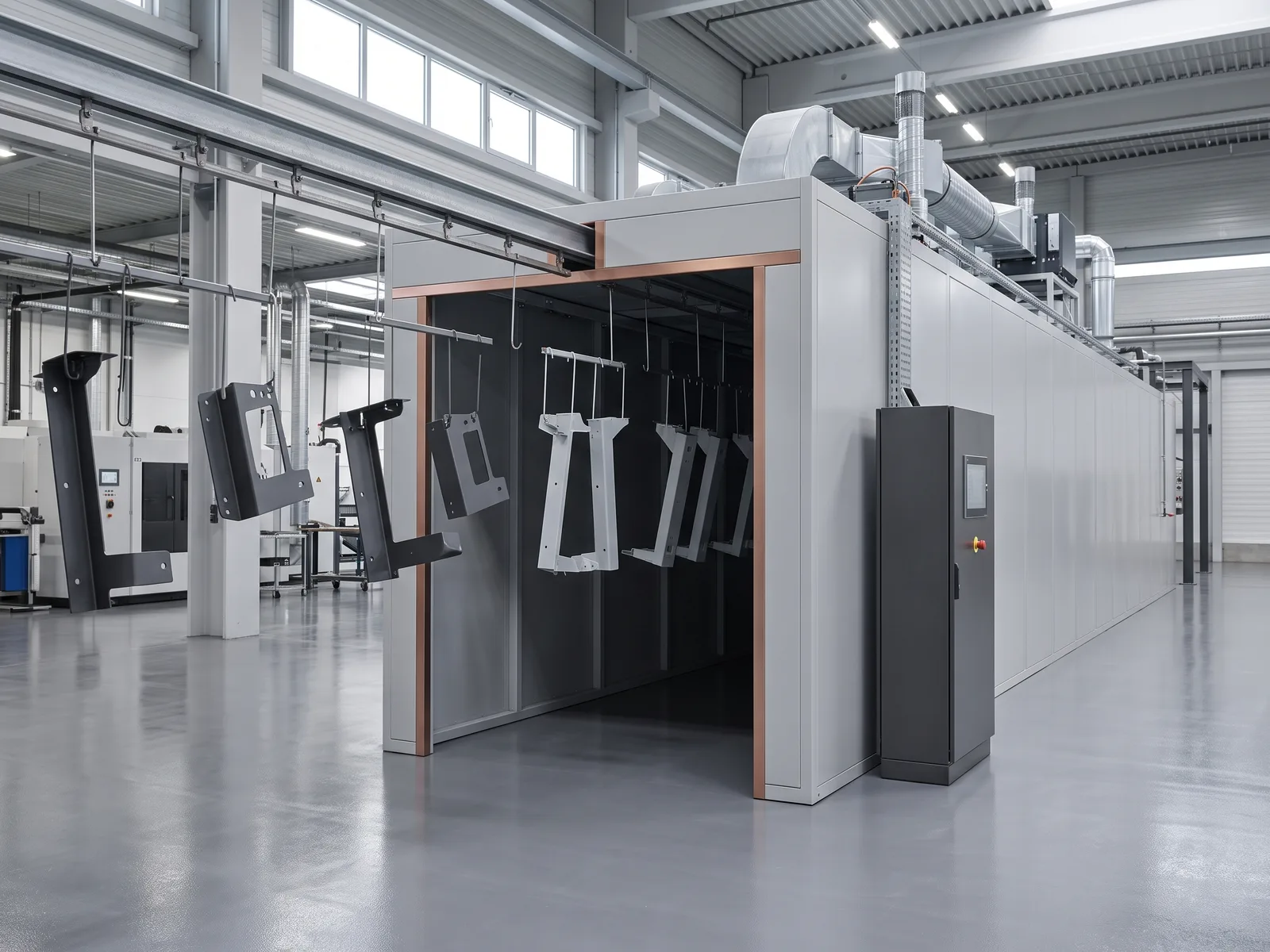
- Powder coating cure
- Liquid paint and functional coating cure
What matters when specifying equipment
- Part sizes and weights: the largest load sets the chamber size and loading method, from baskets and trolleys to crane-loaded bogie hearths.
- Load temperature, not air temperature: load thermocouples on the thickest and thinnest sections show when the soak really starts.
- Controlled heating and cooling rates, to limit distortion where section thicknesses vary.
- Temperature uniformity across the working volume, verified by a temperature uniformity survey (TUS) where required.
- Recipes per material or specification, so a job change does not mean re-entering values.
- A cycle record for each load, ready to hand over with the parts.
- Batch ovens for mixed work; conveyor ovens for continuous coating lines.
- Solvent extraction for liquid paints, burner safety on gas-fired systems, and insulation, door seals and stand-by modes to save energy.
Industry requirements and standards
Requirements usually come from the welding procedure, the design code or the end customer. Welding procedure specifications (WPS) define preheat and any post-weld heat treatment. Pressure vessel codes such as EN 13445 and the ASME Boiler and Pressure Vessel Code (BPVC) set out when PWHT is required and how it is carried out, and welding quality standards such as ISO 3834 expect any post-weld heat treatment to be specified and recorded. Automotive suppliers in IATF 16949 environments may also be asked to complete the AIAG CQI-9 (heat treat) and CQI-12 (coating) system assessments.
These requirements govern how the fabricator runs and documents its work, not the furnace alone. We review the applicable code or specification with you in the process review and design the instrumentation, load thermocouple connections and cycle records to support it.
ION products for metal fabrication
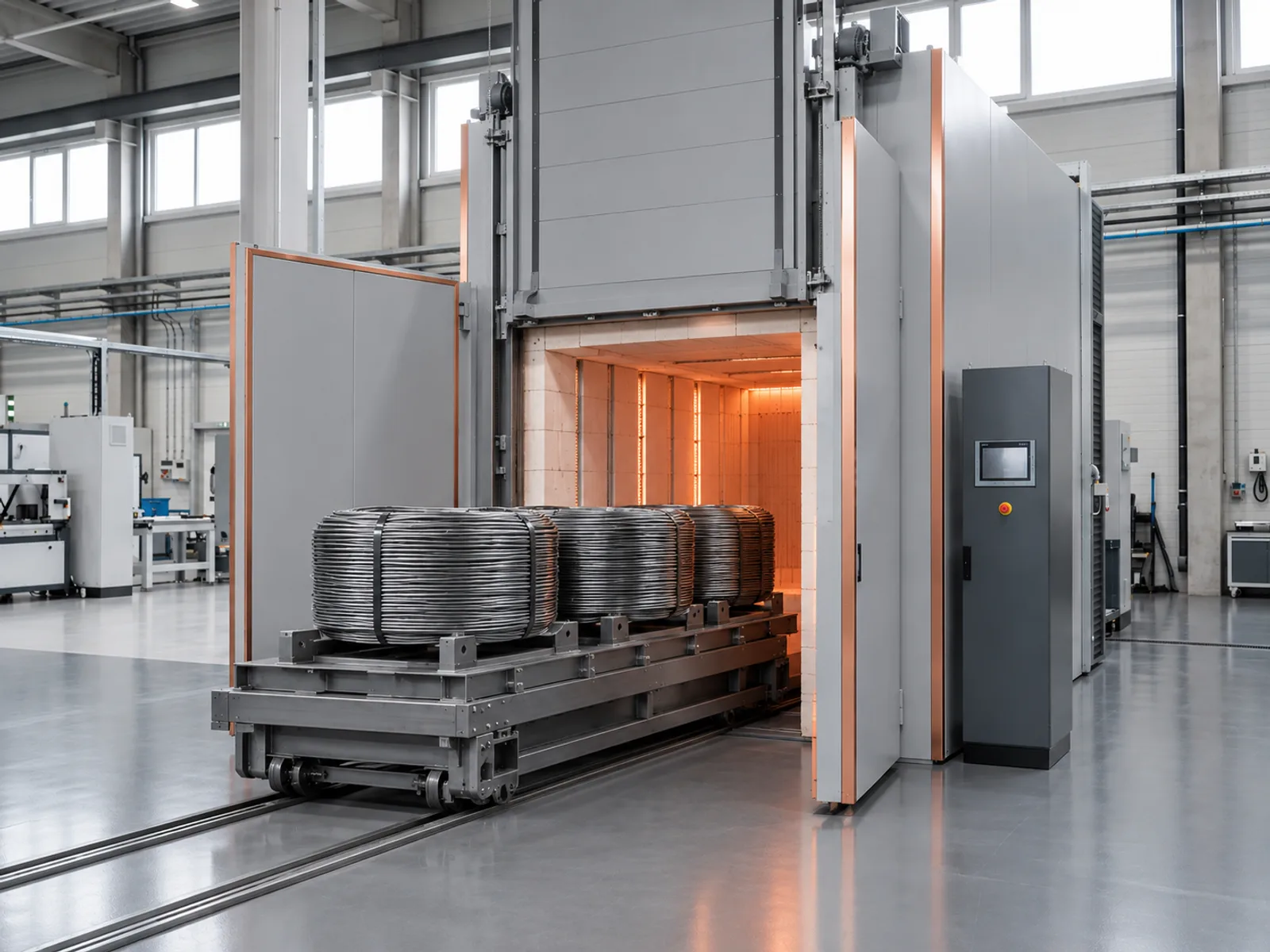
Annealing Furnaces, Metal Preheating Furnaces and Paint & Coating Curing Ovens, shown below, cover the most common needs. Large weldments go into Bogie-Hearth Stress-Relief Furnaces, where the load is craned onto a motorised car outside the chamber and then driven in. Tempering Furnaces handle hardened parts, and Industrial Drying Ovens dry parts before coating. Large-Format Ovens, Conveyor & Continuous Ovens and Custom Batch Ovens cover oversized parts, continuous lines and special layouts.
How we support your project
Every project starts with a process review of your parts, materials, specifications and throughput, followed by in-house engineering and system design. Installation & Commissioning includes acceptance tests and operator training; Calibration & Temperature Uniformity Testing documents the system's performance for your quality system. Preventive Maintenance and Spare Parts keep the system running reliably, and Retrofit & Modernisation can update existing ovens and furnaces, including other manufacturers' equipment, with new controls and data logging.